
Creating Pollinator Habitats: Tips for Urban Gardens
- Mars Mwenja
- Apr 26
- 4 min read

Urban gardens are more than just a patch of green in a concrete jungle; they are vital ecosystems that can support a variety of wildlife, especially pollinators. With the decline of bee populations and other pollinators, creating habitats that support these essential creatures is more important than ever. In this blog post, we will explore practical tips for establishing pollinator-friendly gardens in urban settings, ensuring that your green space contributes positively to the environment.
Understanding Pollinators and Their Importance
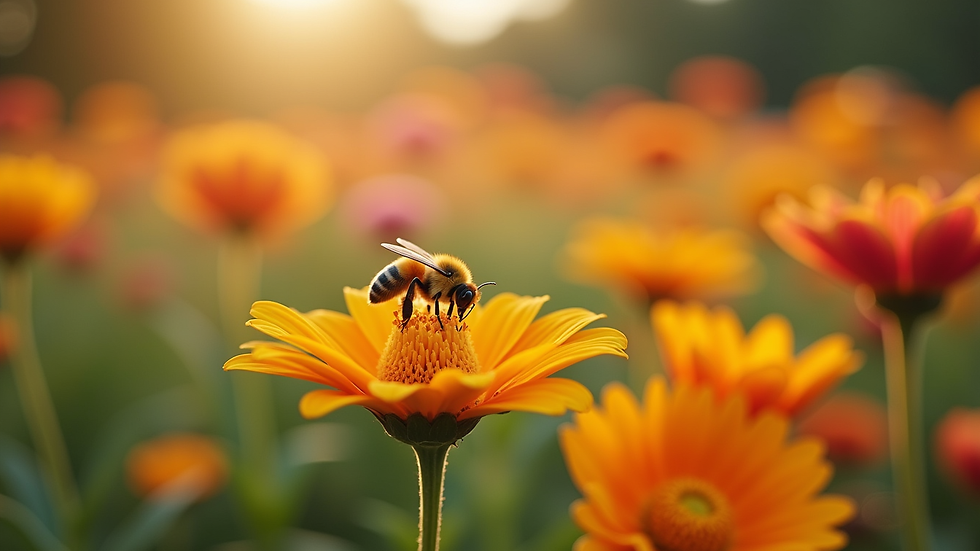
Pollinators, including bees, butterflies, birds, and bats, play a crucial role in the ecosystem. They are responsible for the pollination of many plants, which in turn produce fruits, vegetables, and seeds. Here are some key points about their importance:
Biodiversity: Pollinators help maintain biodiversity by facilitating the reproduction of flowering plants. This diversity is essential for healthy ecosystems.
Food Production: Approximately one-third of the food we consume relies on pollination. This includes fruits, nuts, and vegetables.
Economic Impact: The agricultural industry benefits significantly from pollinators, contributing billions to the economy.
By creating habitats that support pollinators, urban gardeners can help combat the decline of these vital species.
Choosing the Right Plants
Selecting the right plants is crucial for attracting and supporting pollinators. Here are some tips for choosing plants that will thrive in your urban garden:
Native Plants
Native plants are adapted to the local climate and soil conditions, making them easier to grow and maintain. They also provide the best food sources for local pollinators. Consider incorporating the following native plants into your garden:
Coneflower (Echinacea): Attracts bees and butterflies.
Milkweed (Asclepias): Essential for monarch butterflies.
Black-eyed Susan (Rudbeckia): A favorite among various pollinators.
Diverse Plant Selection
A diverse selection of plants will ensure that there are blooming flowers throughout the growing season. Aim for a mix of:
Early Bloomers: Such as crocuses and snowdrops, which provide food in early spring.
Mid-season Blooms: Like lavender and bee balm, which attract pollinators during the summer.
Late Bloomers: Such as asters and goldenrod, which offer sustenance in the fall.
Flower Shapes and Colors
Different pollinators are attracted to different flower shapes and colors. For example:
Bees: Prefer blue and yellow flowers with a flat surface for landing.
Butterflies: Are drawn to bright colors and tubular flowers.
Hummingbirds: Favor red and orange flowers with a tubular shape.
Creating a Welcoming Environment
In addition to selecting the right plants, creating a welcoming environment for pollinators is essential. Here are some strategies to enhance your garden:
Provide Water Sources
Pollinators need water to survive. Consider adding a small birdbath or shallow dish filled with water. Ensure that there are stones or pebbles in the water for pollinators to land on safely.
Avoid Pesticides
Pesticides can be harmful to pollinators. Instead of using chemical treatments, consider natural pest control methods, such as introducing beneficial insects like ladybugs or using neem oil.
Create Shelter
Pollinators need shelter to thrive. Incorporate features such as:
Bee Hotels: These provide nesting sites for solitary bees.
Brush Piles: A pile of twigs and leaves can offer shelter for various insects.
Native Grasses: Planting native grasses can provide cover and habitat.
Designing Your Urban Garden
The design of your urban garden can significantly impact its effectiveness as a pollinator habitat. Here are some design tips:
Vertical Gardening
In urban areas where space is limited, vertical gardening can maximize your growing area. Use trellises, wall planters, or hanging pots to create a lush environment that attracts pollinators.
Layering Plants
Layering plants can create a more diverse habitat. Consider planting taller plants at the back and shorter ones in front. This not only looks appealing but also provides different levels of shelter and food sources.
Grouping Plants
Planting in clusters rather than single specimens can make it easier for pollinators to find food. Grouping plants of the same species together can create a more attractive and accessible food source.
Engaging the Community
Creating a pollinator habitat can be a community effort. Here are some ways to engage others in your urban gardening project:
Host Workshops
Consider hosting workshops to educate others about the importance of pollinators and how to create their own habitats. This can foster a sense of community and shared responsibility.
Collaborate with Local Organizations
Partnering with local environmental organizations can provide resources and support for your gardening efforts. They may offer grants, plants, or educational materials.
Share Your Progress
Document your gardening journey on community boards or local social media groups. Sharing your successes and challenges can inspire others to take action in their own gardens.
Maintaining Your Pollinator Habitat
Once your pollinator habitat is established, ongoing maintenance is essential to ensure its success. Here are some maintenance tips:
Regular Watering
Ensure that your plants receive adequate water, especially during dry spells. A drip irrigation system can help maintain consistent moisture levels.
Pruning and Deadheading
Regularly prune and deadhead plants to encourage new growth and prolong blooming periods. This will keep your garden vibrant and inviting for pollinators.
Monitor for Pests
Keep an eye out for pests and diseases. Early detection can help prevent larger issues. Use organic methods to manage any problems that arise.
Conclusion
Creating a pollinator habitat in your urban garden is a rewarding endeavor that benefits both the environment and the community. By choosing the right plants, designing a welcoming space, and engaging with others, you can make a significant impact on local pollinator populations. Remember, every small effort counts. Start your journey today and contribute to a healthier ecosystem in your urban environment.
By fostering these habitats, you not only support pollinators but also enhance the beauty and biodiversity of your surroundings. So, roll up your sleeves, dig in, and watch your garden flourish!
Comments