


Reviving Indigenous Beekeeping Practices for Sustainability
- Mars Mwenja
- Apr 26
- 4 min read

Beekeeping is more than just a means of producing honey; it is a vital practice that supports biodiversity, agriculture, and the environment. Indigenous beekeeping practices, rooted in centuries of tradition, offer valuable insights into sustainable methods that can benefit modern agriculture and ecological conservation. As the world faces challenges such as climate change and habitat loss, reviving these practices can play a crucial role in promoting sustainability.
The Importance of Bees in Our Ecosystem
Bees are essential pollinators, responsible for the fertilization of many plants, including fruits, vegetables, and nuts. According to the Food and Agriculture Organization (FAO), approximately 75% of the world's food crops depend on animal pollination, with bees being the most significant contributors. Their decline poses a threat not only to food security but also to the overall health of ecosystems.
The Decline of Bee Populations
In recent years, bee populations have faced alarming declines due to various factors, including:
Pesticide use: Chemicals used in agriculture can be harmful to bees, affecting their health and behavior.
Habitat loss: Urbanization and agricultural expansion have reduced the natural habitats where bees thrive.
Climate change: Altered weather patterns disrupt the availability of flowers and nesting sites.
These challenges highlight the urgent need for sustainable practices that can protect and support bee populations.
Indigenous Beekeeping Practices: A Historical Perspective
Indigenous communities around the world have long practiced beekeeping, often using methods that are in harmony with nature. These practices vary by region but share common principles that prioritize sustainability and biodiversity.
Traditional Techniques
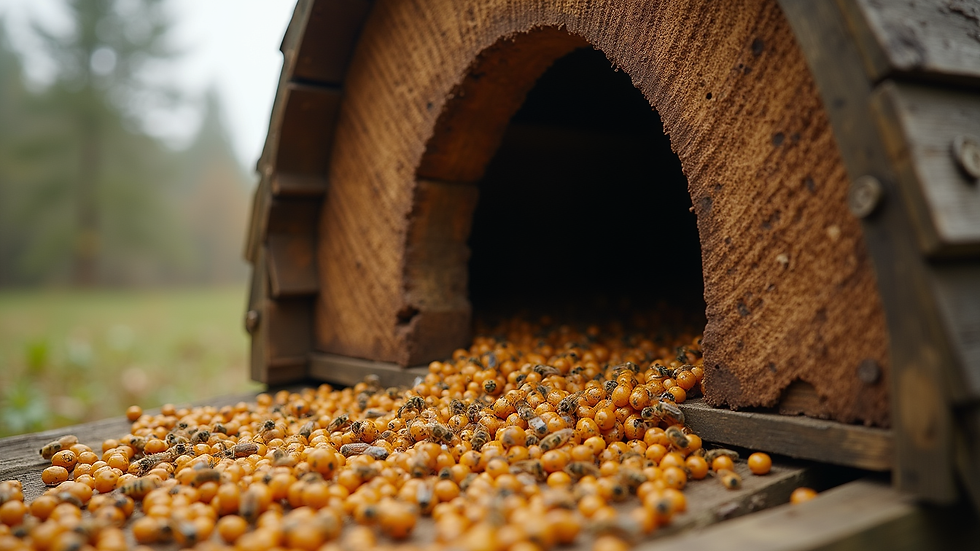
Natural Hives: Many indigenous cultures use hollowed-out logs or clay pots as beehives, allowing bees to thrive in their natural environment.
Minimal Intervention: Indigenous beekeepers often adopt a hands-off approach, allowing bees to build their colonies without excessive human interference.
Local Flora: By planting native flowers and plants, indigenous beekeepers ensure that bees have access to a diverse range of food sources.
These techniques not only support bee health but also promote the surrounding ecosystem's resilience.
Case Studies of Indigenous Beekeeping
The Maasai of East Africa
The Maasai people have a long-standing tradition of beekeeping, using hollowed logs as hives. This method allows bees to thrive in their natural habitat, and the honey produced is an important food source and cultural symbol. The Maasai also practice rotational grazing, which helps maintain the health of the land and supports bee populations.
The Native American Tribes
Various Native American tribes have their own unique beekeeping practices. For example, the Cherokee people traditionally used bee balm and other native plants to attract bees. They emphasize the importance of maintaining a balanced ecosystem, recognizing that healthy bees contribute to the overall health of their environment.
Reviving Indigenous Practices for Modern Sustainability
As we face the challenges of modern agriculture and environmental degradation, there is a growing interest in reviving indigenous beekeeping practices. These methods can offer sustainable solutions that benefit both bees and the environment.
Education and Training
To revive these practices, education is key. Workshops and training programs can help modern beekeepers learn about traditional methods and their benefits. Collaborations between indigenous communities and agricultural organizations can facilitate knowledge exchange and promote sustainable practices.
Community Involvement
Engaging local communities in beekeeping initiatives can foster a sense of stewardship for the environment. Community gardens that incorporate native plants can provide habitats for bees while also serving as educational spaces for sustainable agriculture.
Policy Support
Governments and organizations can play a crucial role in supporting indigenous beekeeping practices. Policies that promote biodiversity, protect natural habitats, and support local agriculture can create an environment where both bees and communities can thrive.
The Role of Technology in Supporting Indigenous Practices
While traditional methods are invaluable, technology can also play a role in supporting indigenous beekeeping. Innovations such as:
Monitoring Systems: Using sensors to track hive health and bee activity can help beekeepers manage their colonies more effectively.
Data Collection: Gathering data on local bee populations can inform conservation efforts and help identify areas that need protection.
By combining traditional knowledge with modern technology, we can create a more sustainable future for beekeeping.
Benefits of Reviving Indigenous Beekeeping Practices
Reviving indigenous beekeeping practices offers numerous benefits, including:
Biodiversity Conservation: Supporting native bee populations helps maintain healthy ecosystems.
Cultural Preservation: Indigenous practices are an integral part of cultural heritage and identity.
Sustainable Agriculture: These methods promote ecological balance, benefiting both farmers and the environment.
Economic Opportunities
Indigenous beekeeping can also create economic opportunities for communities. By producing honey and other bee-related products, communities can generate income while promoting sustainable practices. This approach not only supports local economies but also encourages the preservation of traditional knowledge.
Challenges to Reviving Indigenous Beekeeping
Despite the potential benefits, several challenges must be addressed to revive indigenous beekeeping practices:
Loss of Knowledge: As younger generations move away from traditional lifestyles, valuable knowledge about indigenous practices may be lost.
Market Access: Indigenous beekeepers may face barriers in accessing markets for their products, limiting their economic opportunities.
Environmental Changes: Climate change and habitat loss continue to threaten bee populations, making it essential to adapt traditional practices to modern challenges.
Conclusion: A Call to Action
Reviving indigenous beekeeping practices is not just about preserving tradition; it is a vital step toward sustainability and ecological health. By learning from indigenous communities, we can develop practices that support bee populations, promote biodiversity, and create resilient agricultural systems.
As individuals, we can support these efforts by:
Choosing Local Honey: Purchasing honey from local, sustainable sources helps support indigenous beekeepers.
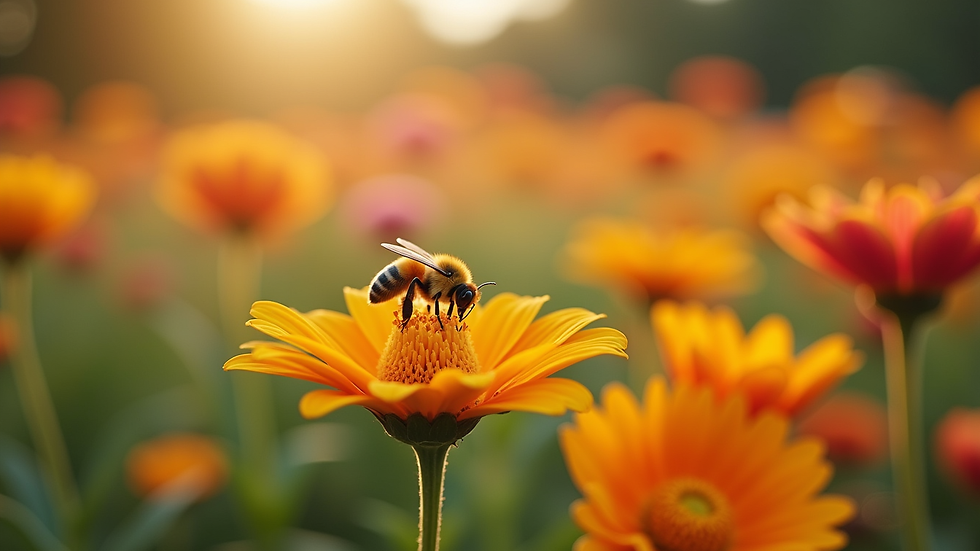
Planting Native Flora: Creating bee-friendly gardens with native plants can provide essential habitats for bees.
Advocating for Policy Change: Supporting policies that protect pollinators and promote sustainable agriculture can help create a more favorable environment for bees.
Together, we can revive indigenous beekeeping practices and contribute to a sustainable future for our planet.
Comments